Control Line
The original direct control models
Control Line models and flying were invented by the late Jim Walker in the USA during the 1940s.
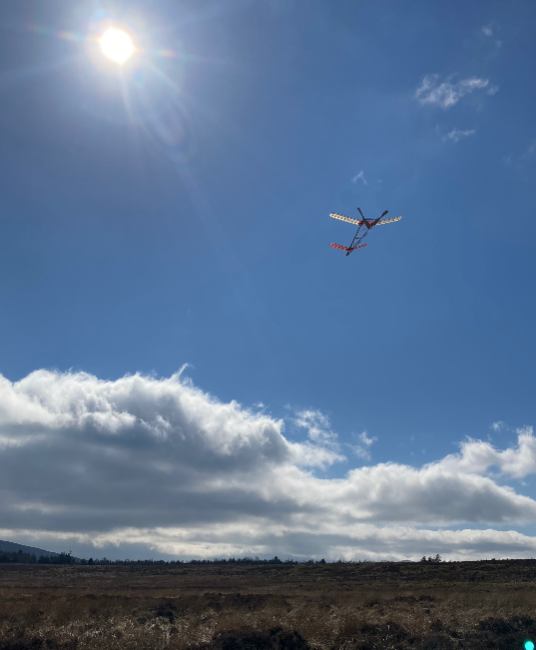
Jim created what was originally called U -Control . A U shaped bellcrank is fitted in the model fuselage to which is connected two flying lines connected to a handle held by the pilot. A pushrod is also connected to the bellcrank and this runs through the fuselage and is connected to an elevator attached to the tailplane. The pilot is able to move the elevator up and down by gentle movement of the handle and thus alter the position.of the model as it flies in a circular path around the pilot connected by the two control lines.
Flying
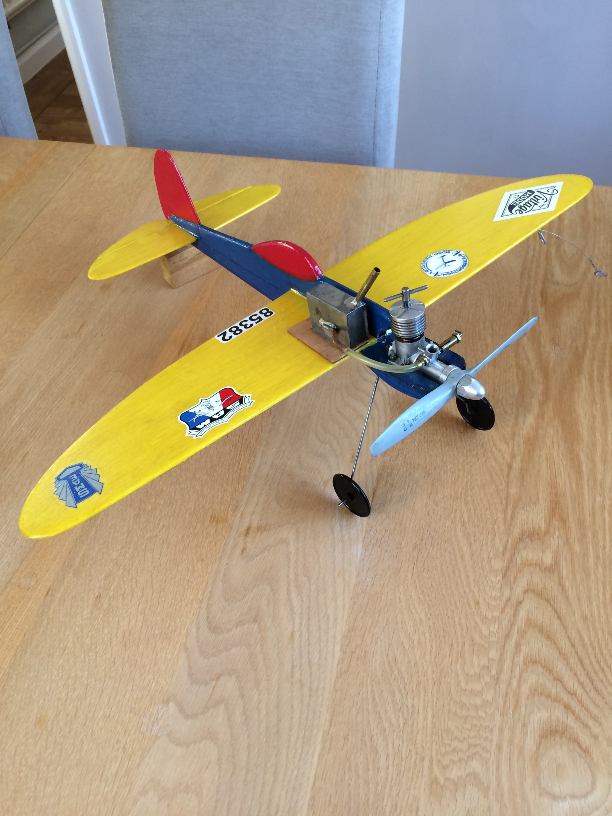
Control line flying is the only model aircraft activity where the pilot can feel the pull of the model and sense the position of the aircraft in the air.
It takes (rather like learning to ride a bicycle) plenty of practice to be able to fly a control line model steadily. Once learnt, the joys of many disciplines developed for control line models provide an exciting future for the budding builder and flyer.
Construction
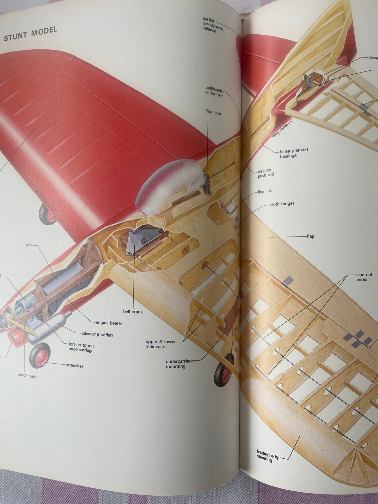
Control models are built from plans. Construction employs balsa and plywood and wire. Parts are glued or soldered together. The models are usually powered with internal combustion engines of 1-5cc capacity.
Aerobatic models
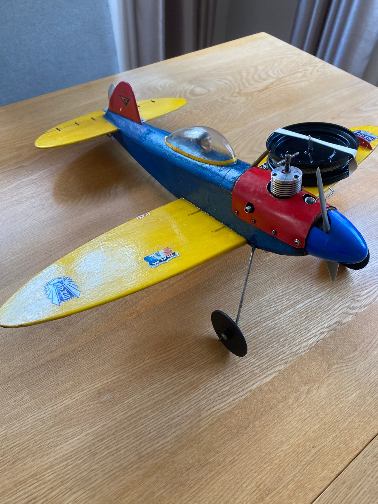
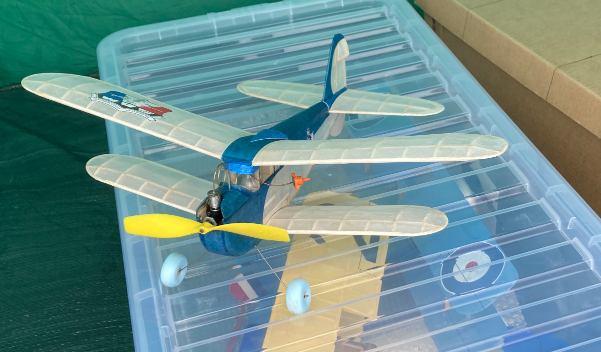
The pilot flies and is judged for the accuracy he /she flies a series of aerobatic manoeuvres; flown in strict sequence. Different classes allow for the amount of manoeuvre difficulty, engine and model size and line length thus allowing beginners to learn basic manoeuvres before progressing to a more demanding schedule.
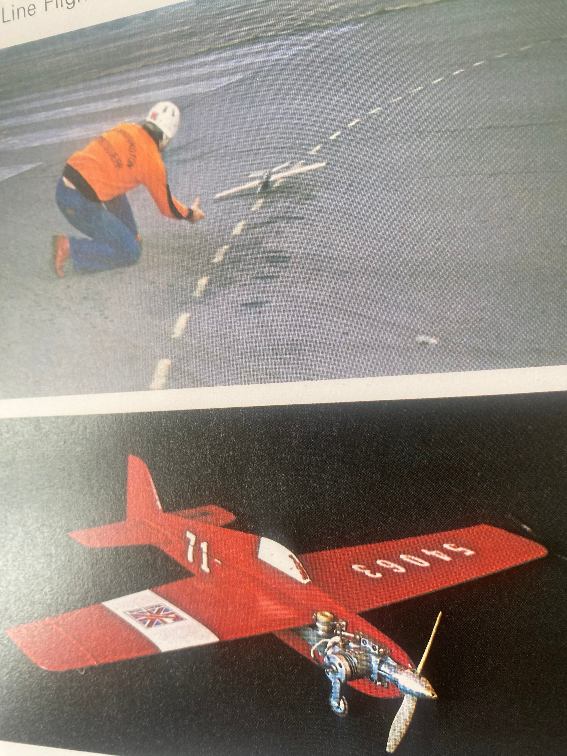
Team Racing
Three pilots with a model each race over a set number of laps and refuelling pit stops. Each pilot has a pitman who is responsible for starting and tuning the engine, model release, model catch during pit stop and refuelling at each stop.
This is an adrenaline raising activity loved by pilots, pitmen and spectators. Again there are several different classes to enable beginners progress towards the international elite racing enjoyed by teams worldwide.
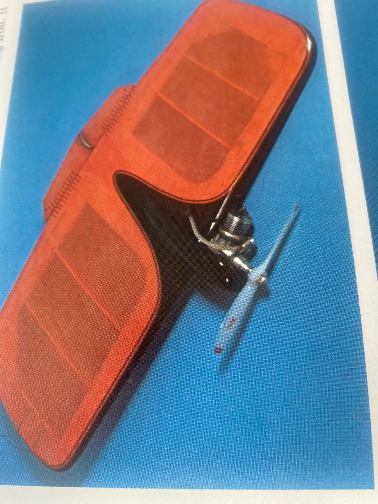
Combat
As the name implies two pilots with a model each engage in a do or die duel of high speed skill as they attempt to cut a streamer attached to each model. Every cut gains points to enable a winner to be determined from each high speed bout .
Combat models have developed into highly manoeuvrable, fast flying wings and like team racing, a skilled pit crew are part of the fun as they attempt to start and tune the engines. As you can imagine combat is a great spectator sport as two models twisting (and occasionally crashing) as the pilots attempt to cut the opponents streamer is tremendously exciting.
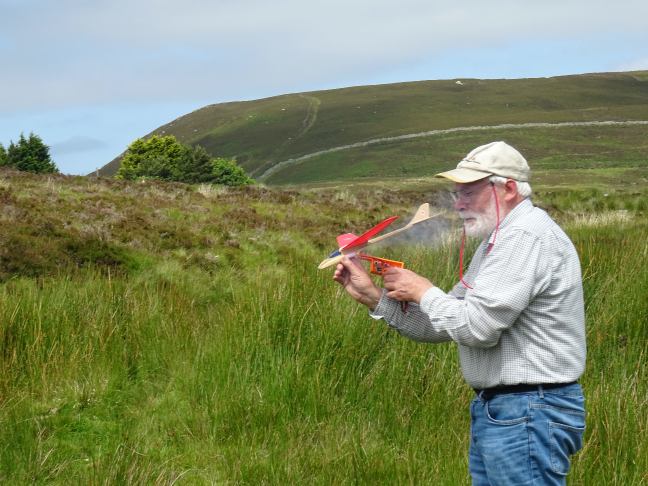
Speed
Speed models do as the name suggests; fly fast! There are many categories including different engine sizes and even engine type ( I.C.) or (JET).
With speeds approaching up to 180mph they are flown in circles enclosed by a specially constructed steel cage.
The beginners class can be flown using a vintage engine of 1.3cc capacity and with a potential top speed of 60mph. Again speed models require a team approach to both engine management and model flying. This “ team ethos" is one of the most exciting and pleasurable reasons to take up control line flying. The writer of these words has been part of a team for several decades and can say from experience how enjoyable and fulfilling his control line exploits are..
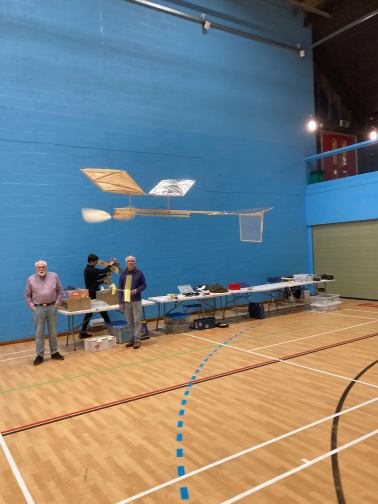
Scale
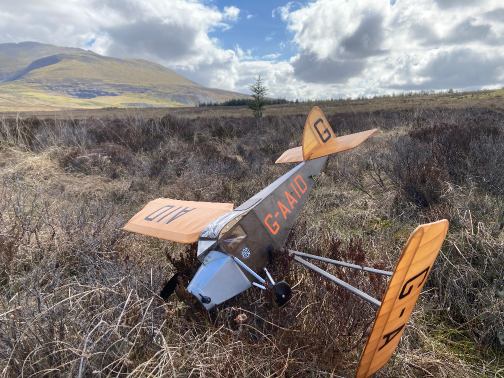
Scale control line models are miniature replicas of full size aircraft. They can sometimes take several years to build and feature multi engines, throttles, bombs, retracting undercarriage, movable flaps and rudder with amazing detailed colour schemes as the original full sized prototype. However, beginners' classes have been created to enable a model be constructed in a month or so and learn the basics of this demanding class of control line model.
Carrier Deck
Carrier models are designed and built to fly very fast and then very slowly. They are built to represent those aircraft flown from aircraft carriers.
A special landing and take off “carrier deck” is provided for the models to perform from and just like the full size it has a series of wires for the model's arrester hook to catch upon landing. Pilot scores are created from the difference in time for the high and low speed laps, plus the wire you arrest your model on (the first wire on the carrier deck scores highest).
Again, an exciting spectator sport with the thrill of high and low speed flight, plus there is always the possibility of missing the wires and falling into the drink (grass!).
Summary
I hope these words have given you a flavour of the joys associated with building and flying control line models. SAM UK runs a number of events each year at the National Flying Centre at Buckminster where all the classes mentioned are flown. In particular SAM UK in association with Peterborough Model Flying Club run simple vintage class events created very much in mind for those considering building a control line model or perhaps those who may be returning to model flying after a layoff. In a world where available space to fly model aircraft is becoming increasingly difficult to find the joys of a small circle and a simple trainer being flown on 35’ lines cannot be underestimated!