May Welsh 27-29th March 2027
An opportunity to fly over a wide space
We are lucky to have access to a number of spacious flying areas; a flat field, slope-soaring hills and a sizeable indoor hall.
Anything goes?
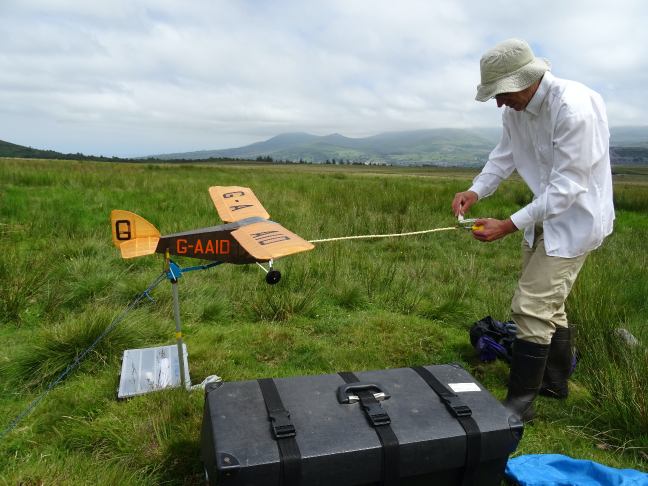
A wide area that is open access, this site is far enough from other houses that noise is not an issue. We fly rubber, IC, electric and rocket models from here. There is no mown strip for take-off.
Balsa (a 'hardwood' with a good strength to weight ratio) is the main building material. It varies in density and strength, so careful selection of material to suit the use is something people learn. A light plane flies more slowly and hits the ground with less force - but it still has to be strong enough to be handled and to withstand flight forces.
Flat field
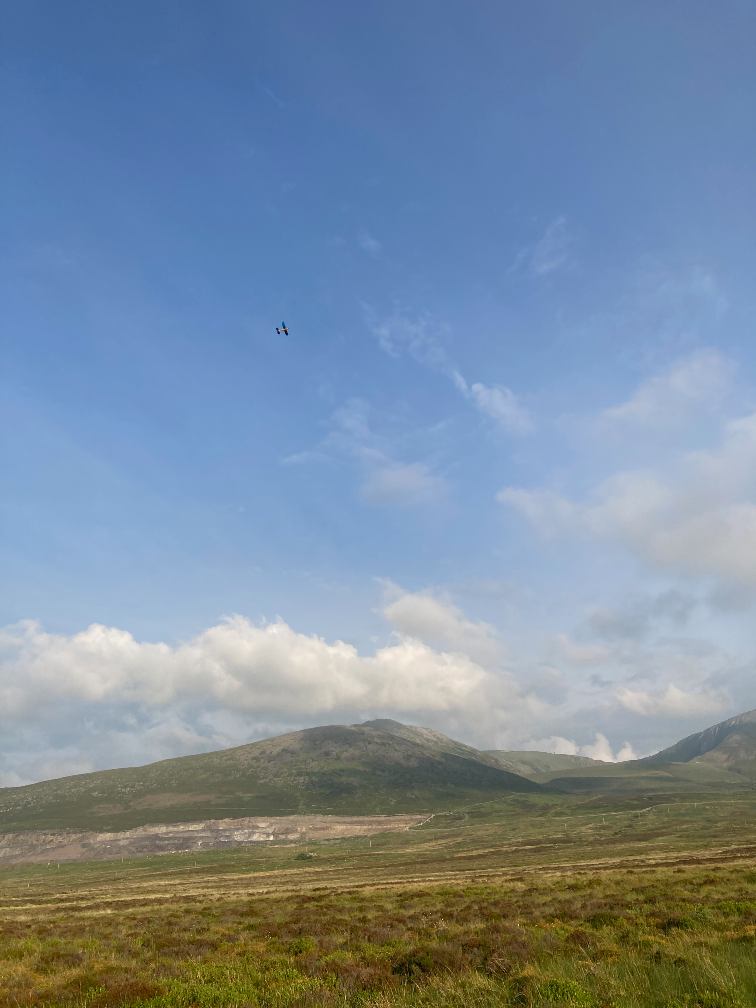
This is our outdoor flying site - rough grass and welly-wet; but vast and free of trees. Check the local weather here.
Indoor/Outdoor Models
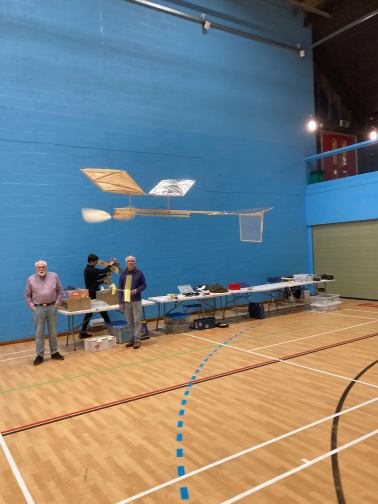
Freeflight models can be designed to fly in halls or outdoors. This is our indoor venue. As there are only mild drafts to contend with, indoor models can be built very light, less than a gram for some classes. Scale models need not be waterproof and can take off from the ground - difficult to achieve outdoors.
Scale models
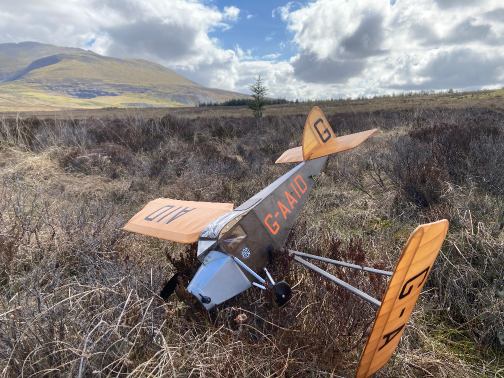
Scale models are intended to be flying models representing real aeroplanes. The models are judged on their fidelity to the original as well as how convincing they are in flight - climb, cruise and landing. There are light-hearted competitions as part of Mat Welsh. As shown, my rubber-powered ABC Robin has knock-off wings to reduce damage on landing.
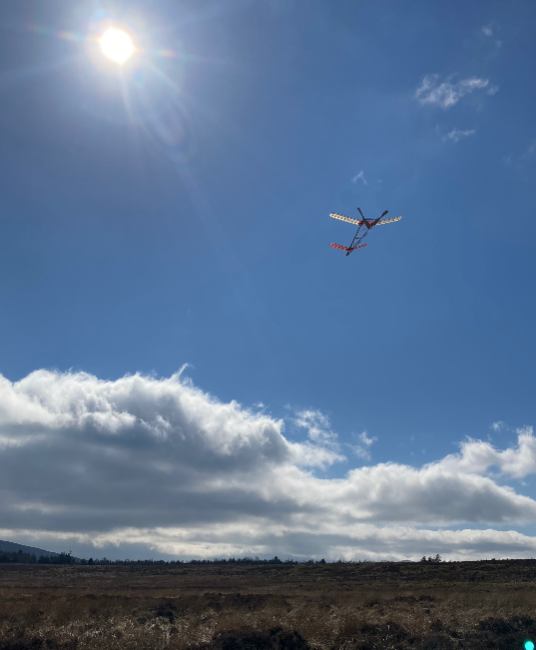
Duration Models
Duration models are designed to fly for as long as possible. This is feasible at our large site - although retrieval over the boggy ground can be a challenge. Tracker and dethermalizer devices help. A tracker may seem expensive, but I have found mine to be very useful - saving long forlorn trudges through the peat bog.
Sport Models
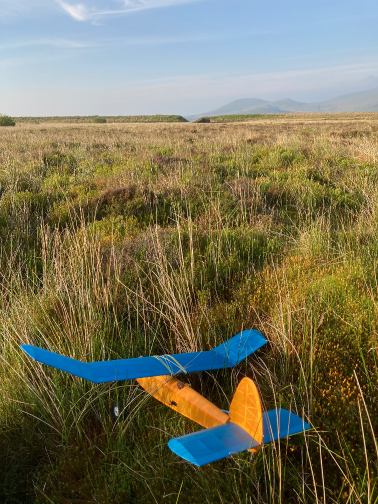
Most people fly models just for fun. This is most of our flying activity.